Three companies told the UK’s Competition and Markets Authority (CMA) that they believed Microsoft’s proposed acquisition of Activision Blizzard would harm competition.
As part of itsinvestigation into the $69 billion deal, the CMA spoke to six third parties who are either existing competitors in console gaming or cloud gaming services, or potential competitors should the merger be approved.

In a summary of the evidence it gathered from these meetings, the CMA revealed that half of the companies said they believed the merger would have a negative impact on competition, “including by affordingMicrosoftthe ability and incentive to foreclose potential and existing rivals in the console buy-to-play, console multi-game subscription and cloud gaming spaces”.
Two companies didn’t express concerns about the merger, while the remaining one said it was too early to determine what the impact of the deal would be.
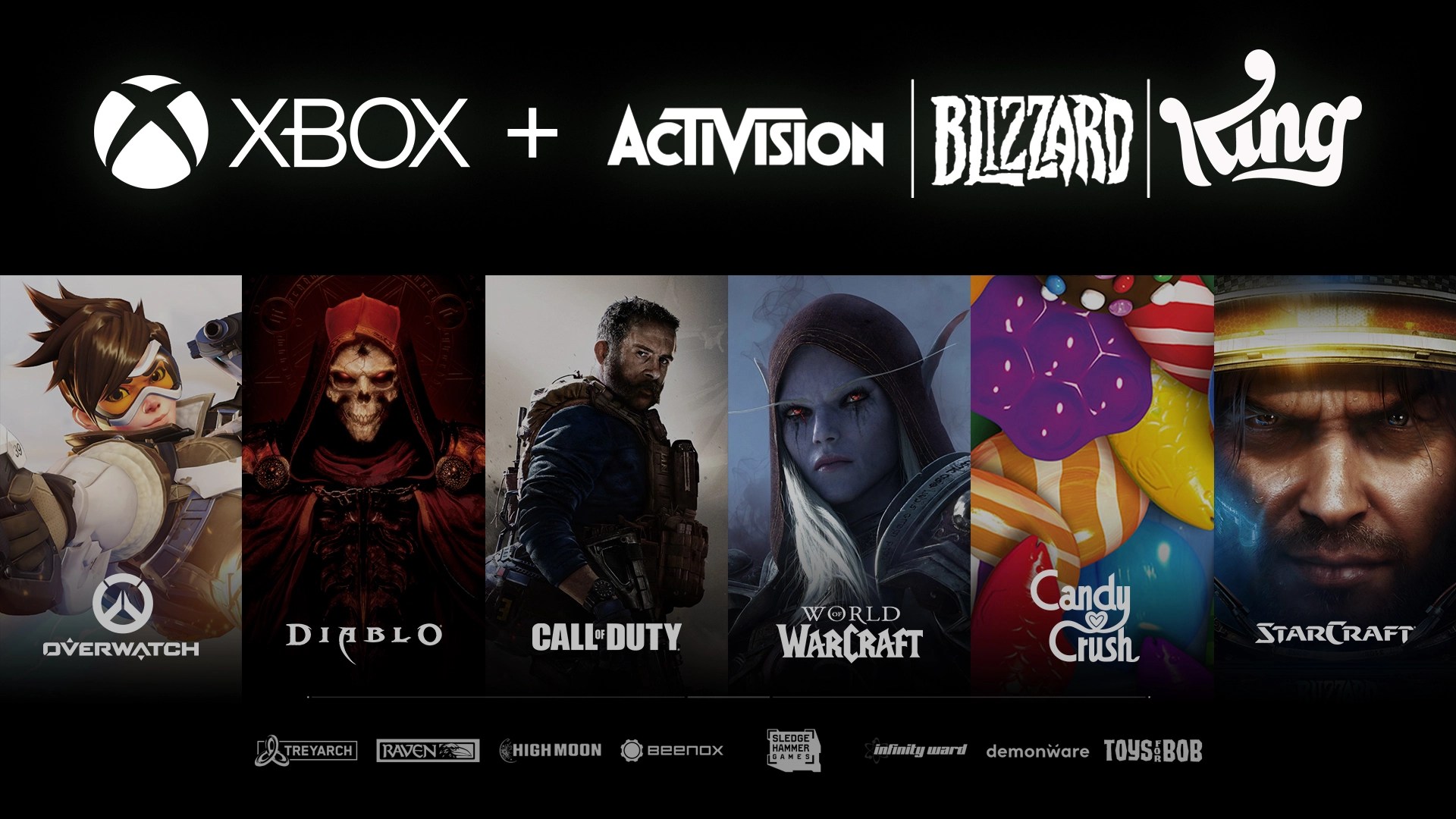
While the identity of the third parties wasn’t disclosed, the deal has been met with fierce opposition fromSony, which has expressed concerns about Microsoft gaining ownership of the Call of Duty series, which the PlayStation makerhas called “irreplaceable”.
Bloombergsources recently claimed thatNvidia and Google had also expressed concernsabout the deal to the US Federal Trade Commission, which haslaunched a lawsuit in an attempt to block the merger.

Following a five-month investigation, last week the CMA said it had provisionallyfound that the merger could reduce competitionand “result in higher prices, fewer choices, or less innovation for UK gamers”.
The regulator outlined several potential structural remedies that could help clear a path to it approving the deal, including a “partial divestiture ofActivision Blizzard” that could see it selling off the part of the company that deals with Call of Duty, or even the entireActivisionbusiness unit.

However, the CMA said it would also consider behavioural remedies, such as Microsoft’soffer to make Call of Duty available on other platformspost-merger, although it views these as less favourable than structural ones which rarely require monitoring and enforcement once implemented.
The CMA is now inviting responses from interested parties to its list of proposed remedies by February 22, and responses to its provisional findings by March 1. Its final report ruling on the deal is due by April 26.

Further reading
Microsoft is due to present arguments for why the deal should be approved ata European Commission hearing on February 21.
The oral hearing, which won’t be public, will allow Microsoft to address thestatement of objections it received from the EU last weekwarning about the possible anti-competitive effects of the merger.


